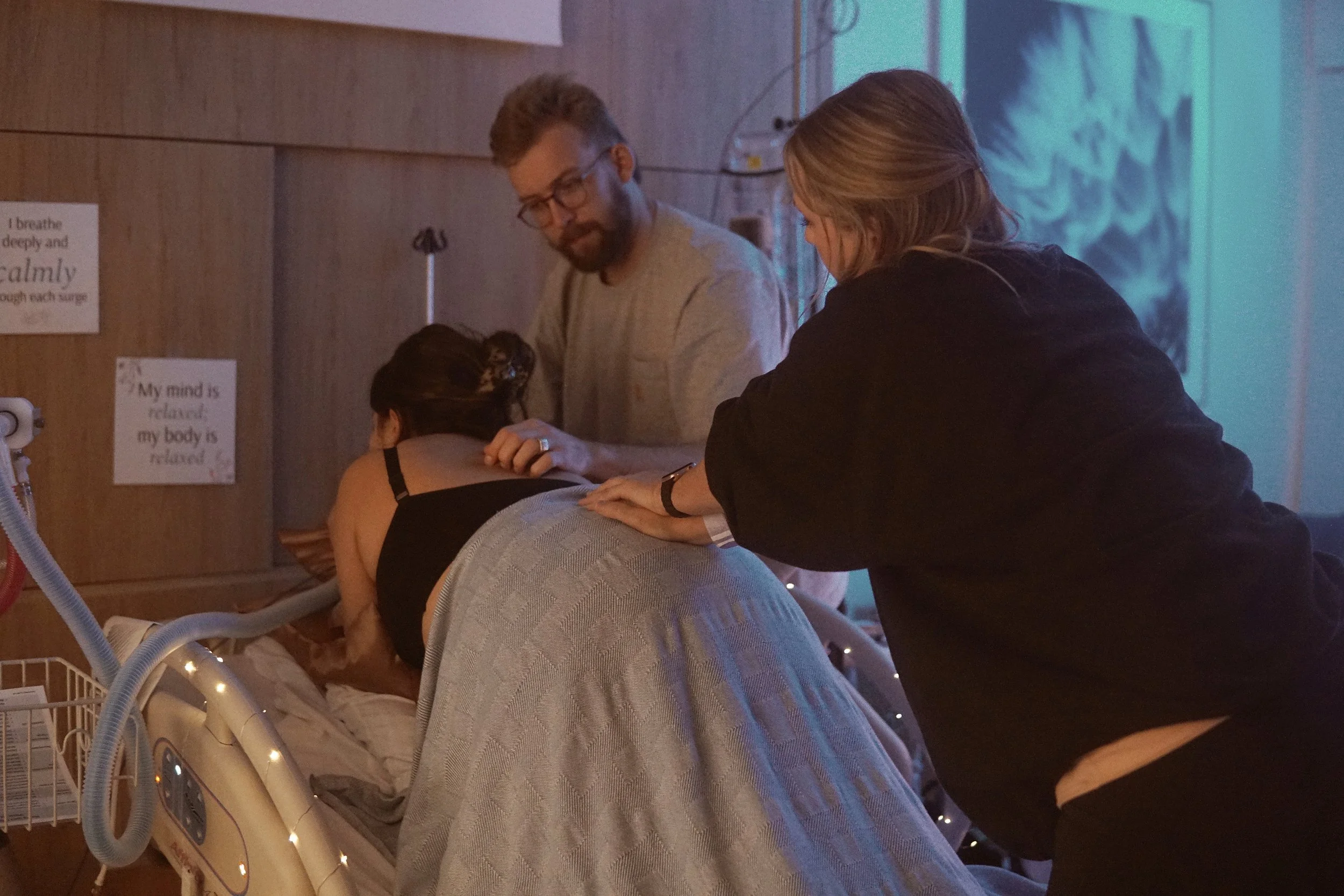
Creating a Calm Birth Environment Anywhere
When people imagine a calm, peaceful birth, they often picture a dimly lit room at home, soft music playing, and everything feeling quiet and controlled. But the reality is birth does not always happen in perfectly curated spaces. You might be in a hospital room, a birth center, or even somewhere unexpected.
The good news? A calm birth environment is not about where you are, it is about how the space feels.
Why a Calm Environment Matters
Your body is designed to give birth, but it works best when you feel safe and supported. When you are calm, your body is more likely to release oxytocin—the hormone that helps labor progress. On the other hand, stress, fear, and overstimulation can increase adrenaline, which may slow labor and make contractions feel more intense.
Creating a calm environment helps:
Promote steady labor progress
Reduce tension and fear
Support pain management naturally
Encourage rest between contractions
Focus on the Senses
A powerful way to create calm is by intentionally shaping what you see, hear, feel, smell, and even think.
Lighting
Bright lights can feel harsh and overstimulating during labor. Soft lighting helps signal to your body that it is safe to relax.
Try:
Dimming the lights if possible
Using battery-operated candles or soft lamps
Turning off overhead lighting
Sound
The sounds around you can either support relaxation or disrupt it. Even in a busy hospital, headphones can create a peaceful bubble.
Consider:
Playing calming music or a playlist you love
Using white noise or nature sounds
Keeping voices low and conversations minimal
Touch & Comfort
Physical comfort plays a huge role in emotional calm. Familiar textures can make an unfamiliar space feel more like your own.
Bring items like:
A favorite blanket or pillow
Comfortable clothing or a robe
Massage tools or oils
A birth ball or peanut ball if available
Smell
Scent is closely tied to relaxation and memory. Even a small, familiar scent can ground you during intense moments.
If your birth setting allows it:
Use essential oils like lavender or peppermint
Apply a familiar lotion or balm
Bring something from home that smells comforting
Visual Environment
What you see matters more than you might expect.
Try:
Facing away from medical equipment if possible
Bringing photos or affirmations
Keeping the space uncluttered
Hanging string lights
Create a “Calm Kit”
Having a small bag of comfort items ready can make a big difference.
Ideas to include:
Headphones or a speaker
Eye mask
Essential oils
Snacks and drinks
Comfort items from home
Printed affirmations
This kit becomes your go-to toolbox no matter where you are.
Advocate for Your Space
You have more control over your environment than you might think.
You can:
Ask for lights to be dimmed
Request fewer interruptions when appropriate
Limit the number of people in the room
Communicate your preferences to your care team
If you have a partner or doula, they can help protect and maintain your space so you can stay focused.
The Role of Support
The people around you are a huge part of your environment. A calm, grounded support person can:
Speak softly and offer reassurance
Help guide breathing and relaxation
Provide physical comfort and encouragement
Advocate for your preferences
Flexibility Is Key
Birth is unpredictable, and your environment may need to shift along the way. Plans change, rooms change, and circumstances change. Creating calm is not about controlling everything; it is about adapting. Even small things—like closing your eyes, focusing on your breath, or holding someone’s hand—can bring you back to a place of calm.
A calm birth environment isn’t reserved for one type of birth or one specific setting. It’s something you can create wherever you are—with intention, preparation, and support. Whether you are at home, in a hospital, or somewhere in between, you deserve to feel safe, supported, and at peace during your labor.