The Role of Oxytocin in Labor
When we talk about labor, we often focus on dilation, contractions, and timing. But behind the scenes, birth is guided by something even more powerful: hormones. One hormone in particular plays a central role in labor — oxytocin. Often called the “love hormone,” oxytocin is responsible for much more than affection. It is the hormone that drives contractions, supports bonding, and helps labor progress naturally. Understanding how oxytocin works can help you prepare for birth in a way that supports your body instead of fighting against it.
What Is Oxytocin?
Oxytocin is a hormone produced in the brain (specifically in the hypothalamus and released by the pituitary gland). During labor, it:
Stimulates uterine contractions
Encourages labor to progress
Promotes feelings of calm and connection
Supports bonding after birth
Helps with milk ejection during breastfeeding
In short, oxytocin is a key driver of labor and early postpartum bonding.
How Oxytocin Works During Labor
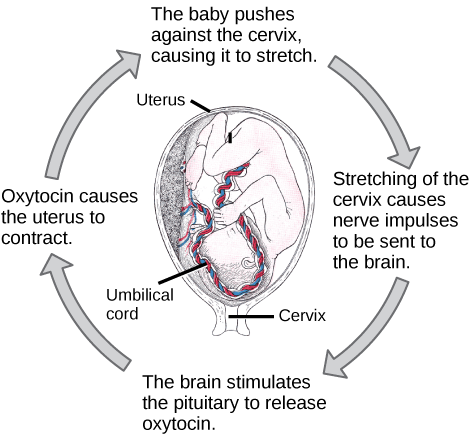
Labor often begins when oxytocin levels rise. As contractions build, more oxytocin is released — creating a positive feedback loop:
Contractions → More oxytocin → Stronger contractions → More oxytocin.
This rhythm helps labor build gradually and effectively. However, oxytocin is sensitive. It thrives in environments where a birthing person feels:
Safe
Supported
Calm
Private
Unobserved or minimally disturbed
What Can Disrupt Oxytocin?
Because oxytocin is tied closely to the nervous system, stress hormones (like adrenaline) can interfere with its flow. Common oxytocin disruptors may include:
Fear or anxiety
Feeling watched or judged
Bright lights and constant interruptions
Lack of privacy
Uncertainty or lack of information
When stress increases, the body may temporarily slow or stall labor as a protective response.
How a Doula Supports Oxytocin Flow
As a doula, I focus on creating an environment that encourages your body’s natural hormonal balance. This can include:
Emotional Safety
Offering reassurance, validation, and calm presence helps reduce stress and promote relaxation.
Continuous Support
Having consistent support (rather than shift changes) can help maintain a sense of stability and safety.
Environment Adjustments
Encouraging dim lighting, minimizing unnecessary interruptions, and creating a peaceful atmosphere can support hormone flow.
Comfort Measures
Touch, massage, counterpressure, movement, and breath guidance can help regulate the nervous system and support oxytocin release.
Informed Decision-Making
Understanding what is happening and feeling included in decisions reduces fear — which protects the hormonal rhythm of labor.
What About Pitocin?
You may have heard of Pitocin, a synthetic form of oxytocin commonly used during inductions or to strengthen contractions. While Pitocin stimulates contractions, it does not cross the blood-brain barrier the same way natural oxytocin does. That means it does not create the same calming, bonding effects as the body’s own hormone. This does not mean induced or augmented births cannot be positive — they absolutely can. It simply highlights why emotional and physical support remain so important in all types of births.
Oxytocin After Birth
Oxytocin does not stop working once baby arrives. It continues to:
Support bonding
Encourage skin-to-skin connection
Help the uterus contract to reduce bleeding
Trigger milk let-down during breastfeeding
Skin-to-skin contact, eye contact, warmth, and closeness all encourage this beautiful hormonal cascade.
Why This Matters
Birth is not just mechanical — it is hormonal. When we support the body’s natural rhythms, we often see labor unfold more smoothly. While we cannot control every variable in birth, we can influence the environment. Prioritizing emotional safety, informed support, and calm surroundings can make a meaningful difference.