Understanding Induction: What to Expect and How a Doula Helps
If your provider has recommended an induction, you might be feeling a mix of emotions — relief, uncertainty, curiosity, or even disappointment. That’s completely normal.
Induction is a common part of modern birth care, and understanding what to expect can help you feel more prepared and confident. As a birth doula, one of my roles is to help families navigate inductions with clarity, calm, and continuous support.
What Is Labor Induction?
Labor induction is the process of medically starting labor rather than waiting for it to begin on its own. Every situation is unique, and it is important to have a clear conversation with your provider about why induction is being recommended in your case. Providers may recommend induction for a variety of reasons, including:
Post-term pregnancy
Medical concerns (such as high blood pressure or gestational diabetes)
Concerns about the baby’s well-being
Ruptured membranes without contractions
Common Methods of Induction
There are several ways labor may be induced. Sometimes one method is used; other times they are combined.
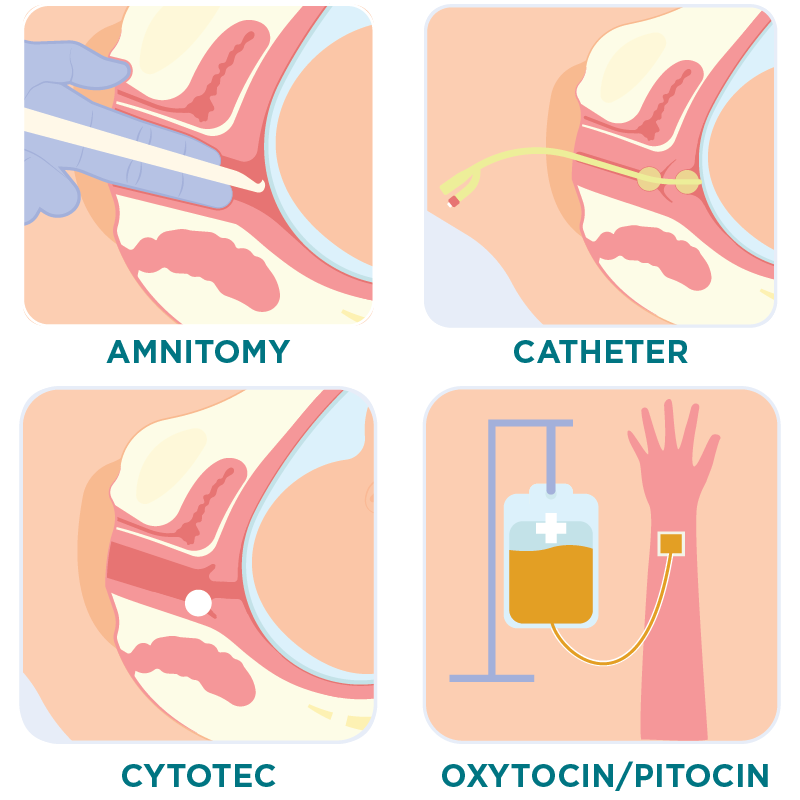
Cervical Ripening
If the cervix is not yet ready for labor, your provider may recommend medications to soften the cervix or placing a balloon catheter to encourage dilation. This stage can take time and often feels slower and more gradual.
Pitocin (Synthetic Oxytocin)
Pitocin is commonly used to stimulate contractions. It is administered through an IV and gradually increased. Because Pitocin contractions can sometimes feel stronger or closer together, many families appreciate additional comfort support during this stage.
Breaking the Water (Amniotomy)
Your provider may manually rupture the membranes to encourage labor progression if the cervix is favorable.
What to Expect During an Induction
One of the most important things to know is that inductions can take time. Some unfold quickly, but many take 12–36 hours (or longer), especially if this is your first baby. The pace depends on how ready your body is and how it responds to the methods used.
You may experience:
More frequent monitoring
IV fluids
Less mobility depending on hospital protocols
Periods of waiting
How a Doula Helps During an Induction
Induction changes the rhythm of labor — but support becomes even more valuable. Here is how I support clients during induced births:
Emotional Reassurance
Inductions can bring unexpected feelings. I help:
Process emotions in real time
Normalize the experience
Provide calm, grounded presence
Offer encouragement during long waiting periods
Comfort Measures for Stronger Contractions
When contractions intensify (especially with Pitocin), I offer:
Counterpressure
Massage
Position changes
Breathing guidance
Rebozo techniques
Hydrotherapy support (when available)
Even with continuous monitoring, there are often ways to encourage movement and comfort.
Supporting Movement & Positioning
Many people assume induction means staying in bed. In reality, there are often creative ways to stay mobile, such as:
Using a birth ball
Side-lying releases
Upright positions
Peanut ball positioning
Information & Advocacy Support
Inductions often involve more decision points. My role is never to replace your provider, but to ensure you feel informed and confident in your choices. I help families:
Understand their options
Ask clarifying questions
Pause when appropriate
Feel included in decision-making
Partner Support
Inductions can be long. When partners feel supported, the entire birth team functions better. I help partners:
Learn hands-on techniques
Take breaks when needed
Stay involved without feeling overwhelmed
Feel confident in their role
Can You Still Have a Positive Birth Experience With an Induction?
YES! A positive birth experience is not defined by how labor starts — it is defined by how supported, informed, and respected you feel throughout the process. Many induced births are calm, empowering, and deeply meaningful.
If induction is part of your birth story, you are not alone — and you still deserve continuous, compassionate support.